Communication and HAM Radio Support in Wildlife Conservation
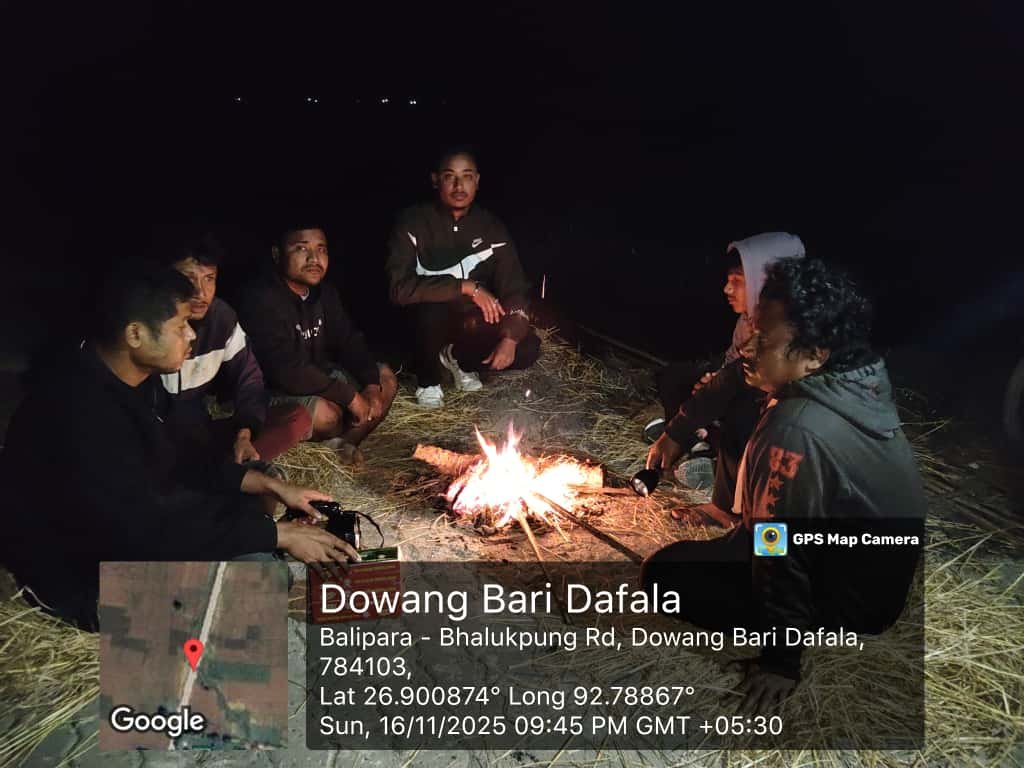
 Effective communication is one of the most critical components of wildlife conservation and environmental protection. Conservation activities are often conducted in remote forests, wetlands, grasslands, mountainous regions, and disaster-prone areas where conventional communication networks frequently fail or remain unavailable. In such challenging conditions, reliable communication becomes essential for ensuring the safety of field personnel, coordinating conservation actions, managing emergencies, and facilitating rapid decision-making.
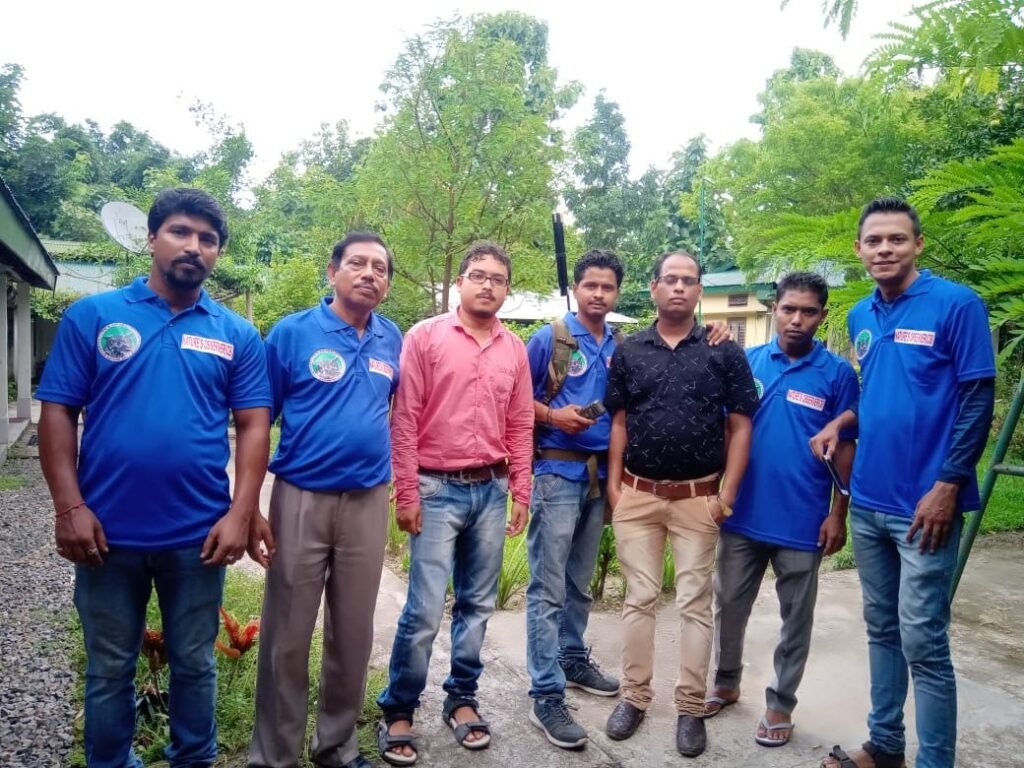
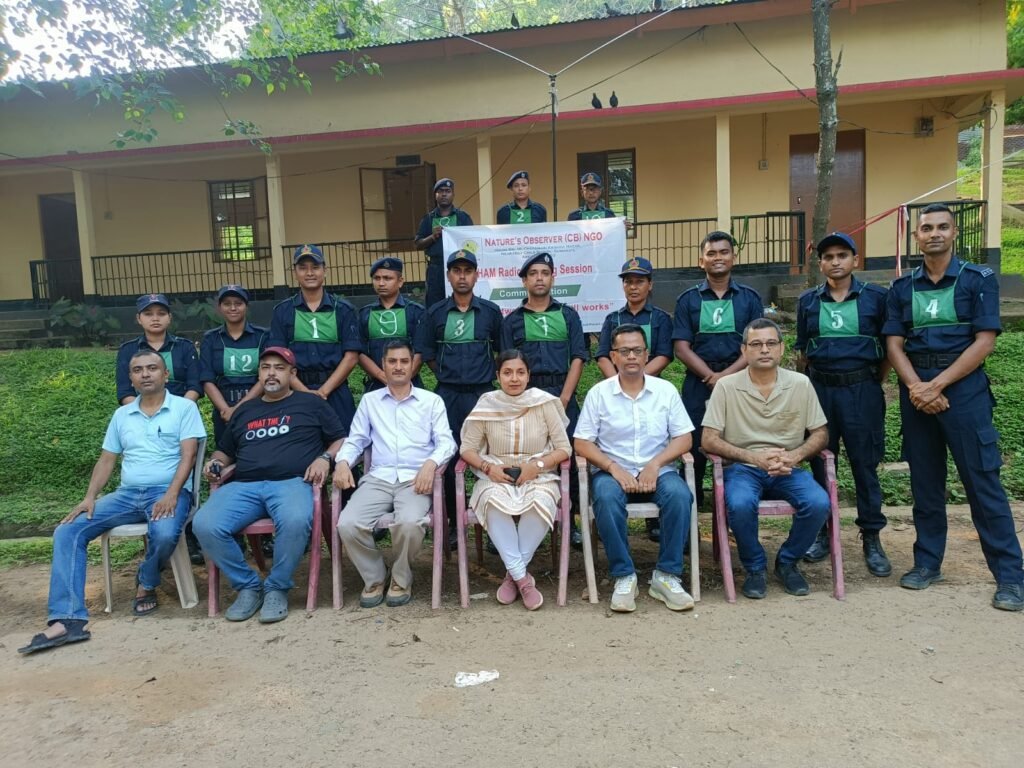
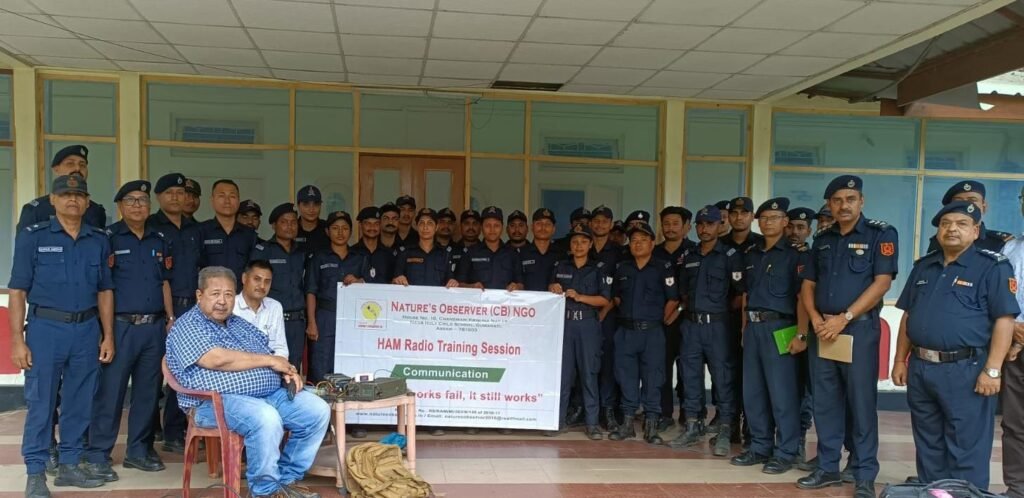
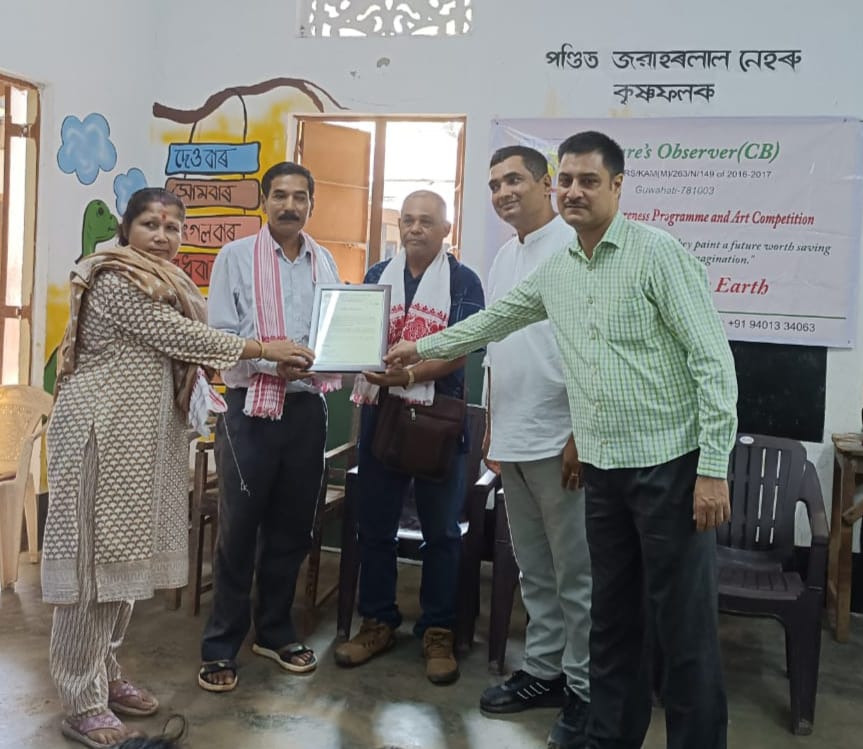
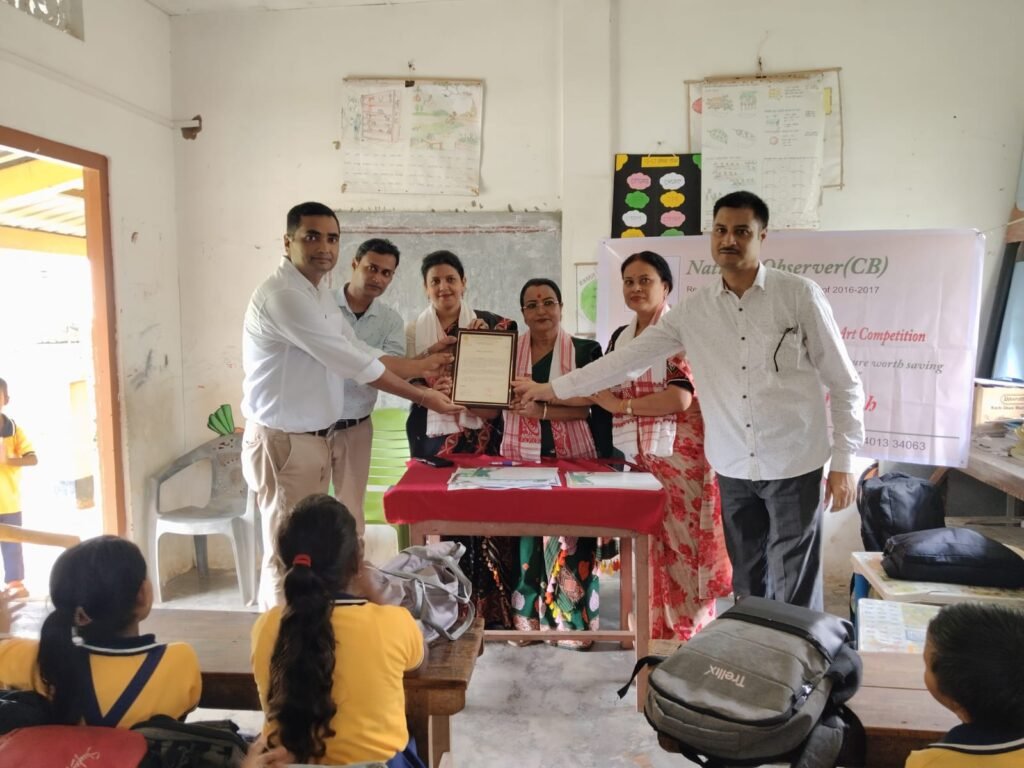
Recognizing this vital need, Nature’s Observer has established a dedicated Radio Communication Team comprising experienced professionals and certified HAM Radio operators. The team is committed to providing dependable communication support during wildlife surveys, biodiversity assessments, rescue operations, anti-poaching activities, environmental monitoring, disaster response, and conservation expeditions.
The Communication Team is led by Dr. Abhijit Rabha (Call Sign: VU22AR), Retired Special Principal Chief Conservator of Forests (PCCF), Assam Forest Department, who serves as the Communication Head. With decades of experience in forest administration, wildlife management, and conservation planning, Dr. Rabha brings strategic guidance and expertise in integrating communication systems into field conservation operations.
 Field communication operations are coordinated by Mr. Bimal Jyoti Goswami (Call Sign: VU3IYV), Head of Field Operations, who oversees the deployment of communication networks during field activities and ensures seamless coordination among teams working in diverse and often inaccessible landscapes.
Importance of Communication in Wildlife Conservation
Wildlife conservation involves extensive fieldwork across large geographical areas where mobile phone coverage may be weak, intermittent, or completely absent. Rangers, researchers, volunteers, rescue teams, and conservation workers often operate in isolated locations where communication challenges can directly affect operational effectiveness and personnel safety.
Reliable communication is essential for:
- Coordinating wildlife surveys and monitoring programs.
- Supporting anti-poaching patrols and enforcement activities.
- Facilitating wildlife rescue and rehabilitation operations.
- Ensuring the safety of field personnel working in remote areas.
- Managing human-wildlife conflict situations.
- Monitoring forest fires, floods, and other environmental emergencies.
- Coordinating disaster response and relief efforts.
- Maintaining contact between field teams and command centers.
- Supporting scientific expeditions and biodiversity documentation.
Role of HAM Radio in Conservation
 HAM Radio, also known as Amateur Radio, is one of the most reliable communication systems available for emergency and field operations. Unlike mobile communication networks, HAM Radio can operate independently of commercial infrastructure, making it highly valuable in remote wilderness areas and during natural disasters.
Certified HAM Radio operators can establish communication links over short, medium, and long distances using portable, mobile, and fixed radio stations. These systems can continue functioning even when conventional communication networks fail due to cyclones, floods, earthquakes, landslides, or other emergencies.
For conservation organizations, HAM Radio offers several advantages:
Communication Beyond Network Coverage
Many protected areas, reserve forests, wildlife sanctuaries, and national parks have limited cellular connectivity. HAM Radio enables uninterrupted communication between field teams regardless of mobile network availability.
Emergency Response Capability
Wildlife emergencies often require immediate coordination among veterinarians, forest officials, rescue teams, and local authorities. HAM Radio provides dependable communication channels during critical situations.
Disaster Management Support
Natural disasters can severely impact wildlife habitats and disrupt communication infrastructure. HAM operators play a crucial role in maintaining communication networks for rescue, relief, and environmental assessment activities.
Cost-Effective and Sustainable Operations
Once established, radio communication systems provide long-term operational support with minimal recurring costs, making them suitable for conservation organizations working in remote regions.
Enhanced Field Safety
Field personnel frequently encounter challenging terrain, dangerous wildlife, extreme weather conditions, and medical emergencies. Continuous radio communication significantly improves safety and enables rapid assistance when required.
Nature’s Observer Communication Team
 Nature’s Observer maintains a dedicated communication framework that combines field expertise, conservation experience, and amateur radio capabilities. The team is equipped to support:
- Wildlife conservation projects.
- Biodiversity surveys.
- Bird and mammal monitoring programs.
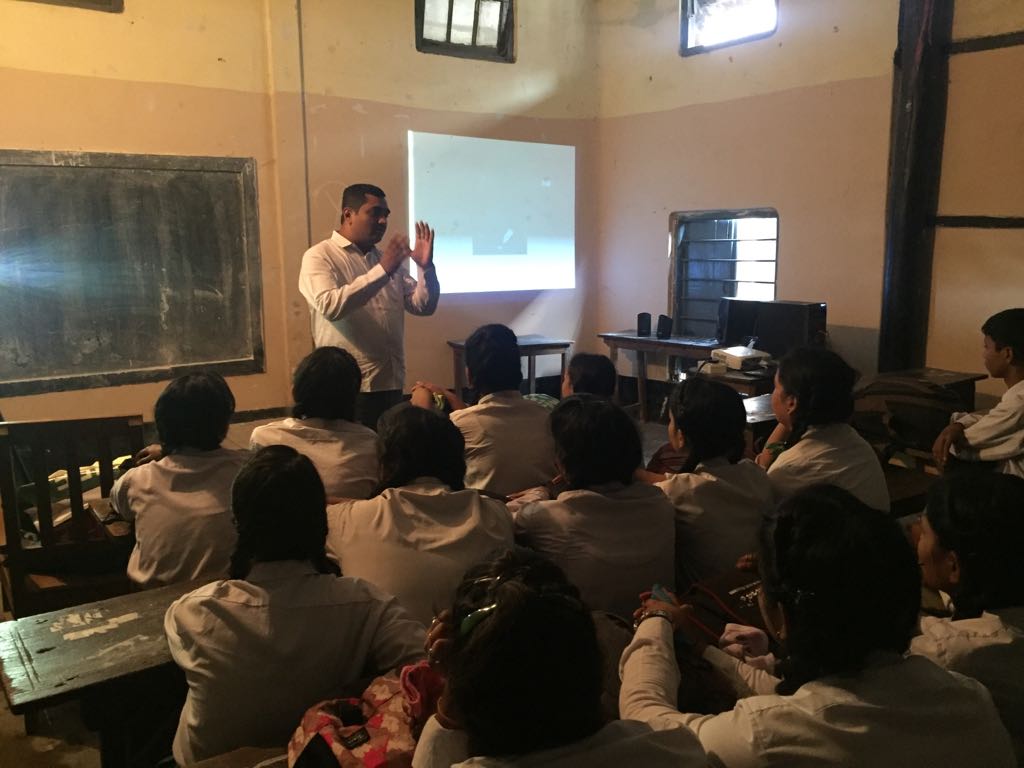
- Environmental awareness campaigns.
- Disaster response initiatives.
- Community conservation activities.
- Search and rescue support.
- Emergency communication networks.
- Scientific expeditions and field research.
The organization’s certified HAM Radio operators adhere to national regulations governing amateur radio operations and maintain high standards of professionalism and technical competence.
Building Resilient Conservation Networks
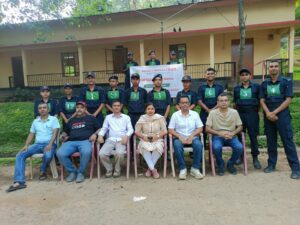 As conservation challenges become increasingly complex due to habitat loss, climate change, natural disasters, and human-wildlife interactions, robust communication systems are more important than ever. Nature’s Observer believes that effective conservation depends not only on scientific knowledge and field expertise but also on reliable communication that connects people, information, and action.
Through its dedicated Radio Communication Team and HAM Radio capabilities, Nature’s Observer continues to strengthen field operations, improve emergency preparedness, support wildlife protection efforts, and contribute to the broader goals of environmental conservation and sustainable ecosystem management.
By integrating modern conservation practices with dependable communication technologies, Nature’s Observer remains committed to safeguarding biodiversity while ensuring the safety, coordination, and effectiveness of conservation initiatives across diverse landscapes.