Assam Is Home To More Than 700 Domesticated Elephants
For generations, these elephants were an important part of Assam’s culture and economy. Until the early 1980s, they were used to carry heavy loads, transport timber from forests, and support the livelihoods of hundreds of elephant-owning families.
Everything Changed After The Wildlife Protection Laws
With the enforcement of the Wildlife Protection Act, capturing, training, and using elephants for labour was banned across India. While this was an important step for wildlife conservation, it also meant that many families suddenly lost their primary source of income.
Today, these domesticated elephants can only work for a few months during the winter tourism season in national parks and wildlife sanctuaries. For the remaining six months of the year, they have no work and generate no income for their owners.
Many Elephant Owners Can No Longer Afford Their Care
An adult elephant requires hundreds of kilograms of green fodder and nutritious food every day, along with regular veterinary care, medicines, and proper shelter.
Without a steady source of income, many owners struggle to provide even the basic necessities. As a result, many elephants suffer from malnutrition, weakness, untreated illnesses, and poor health.
Ranjan Kumar Medhi And His Team Are Stepping In
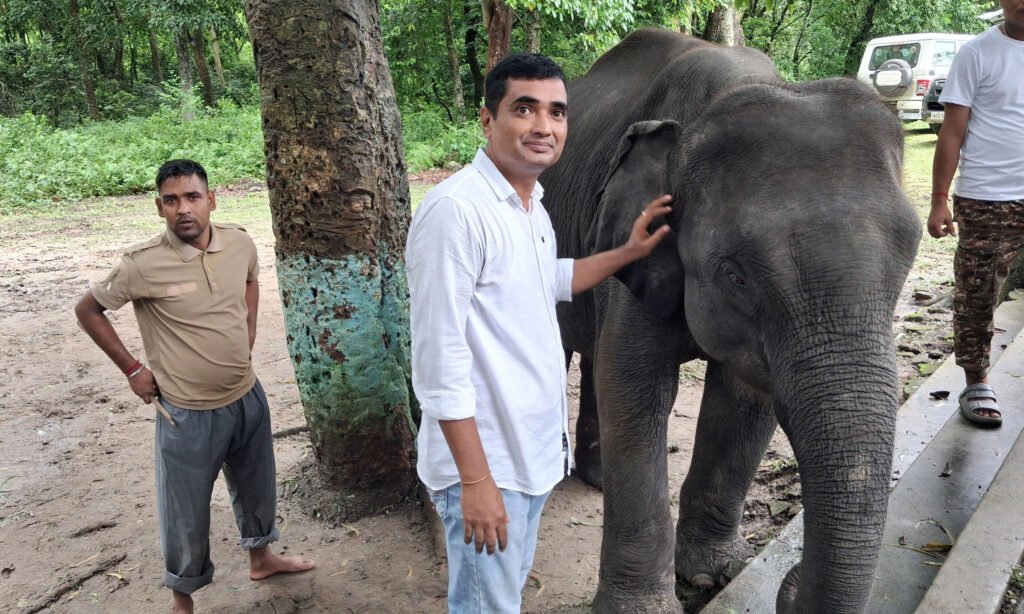
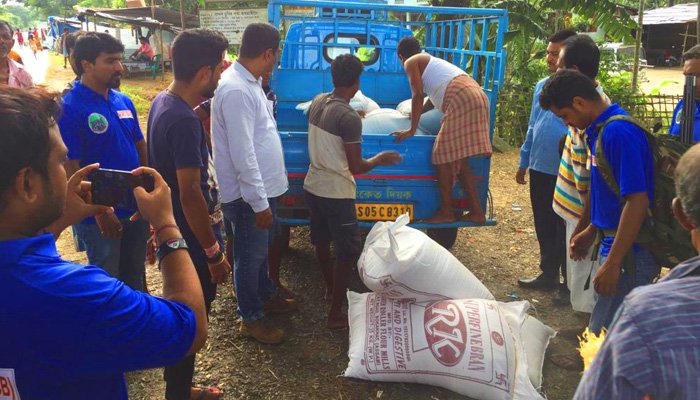
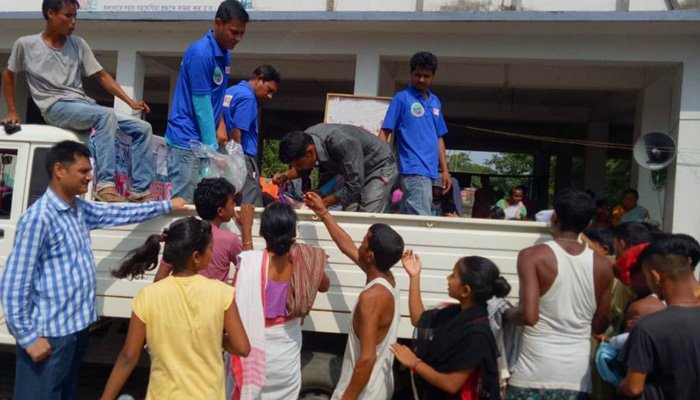
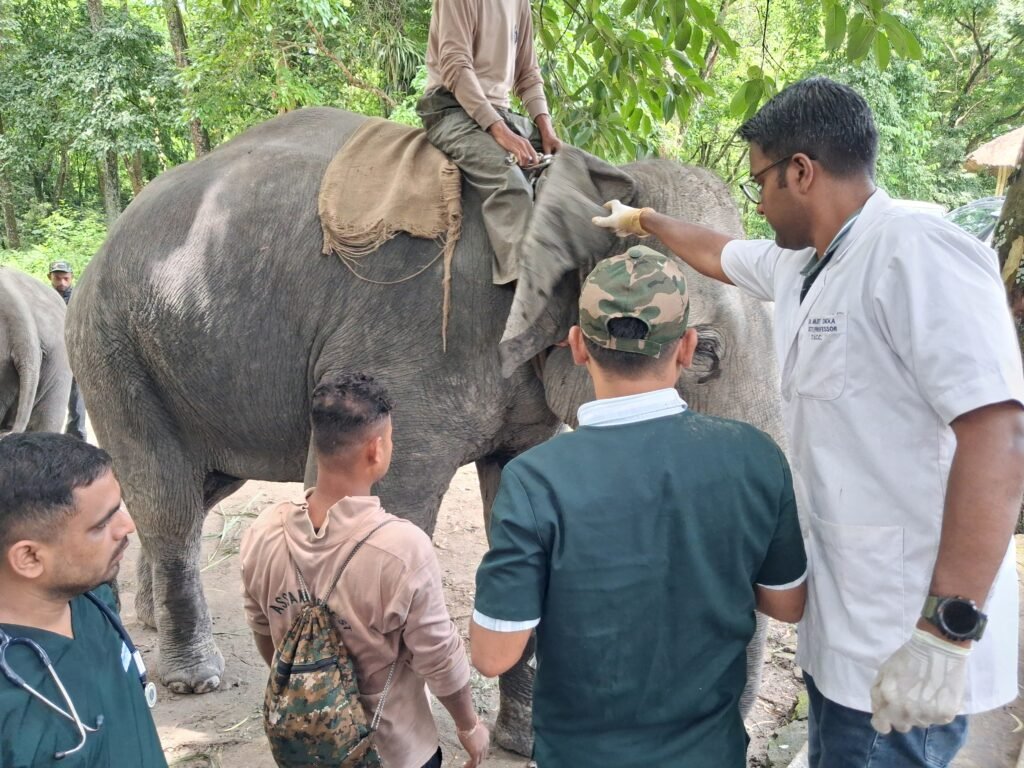
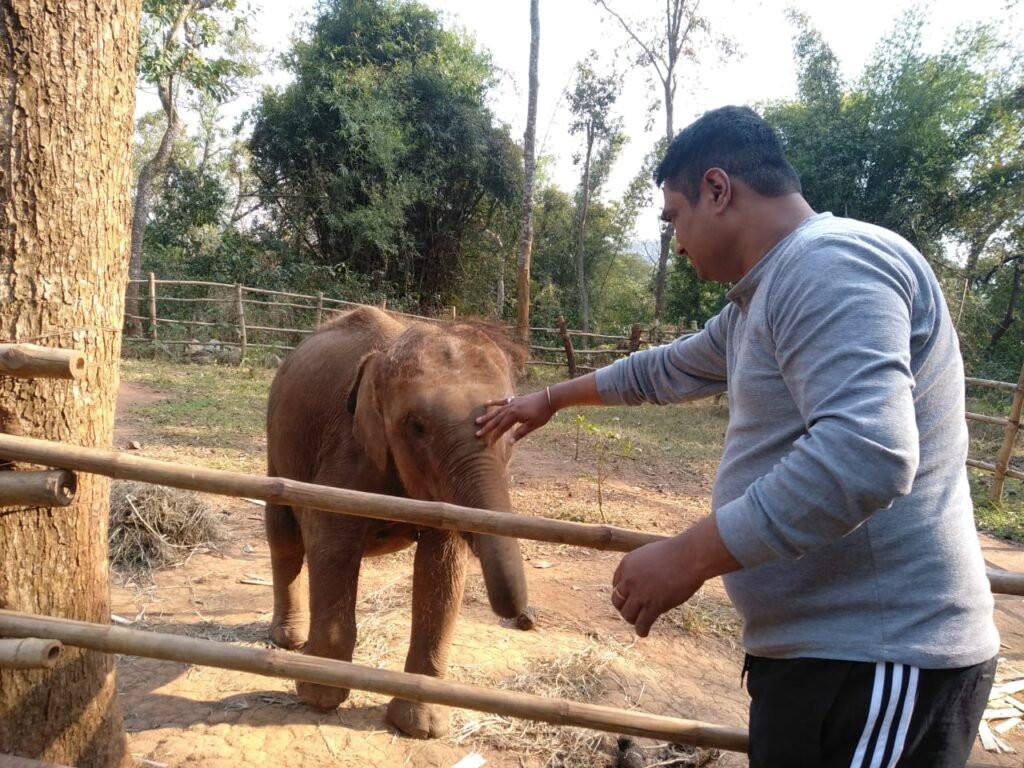
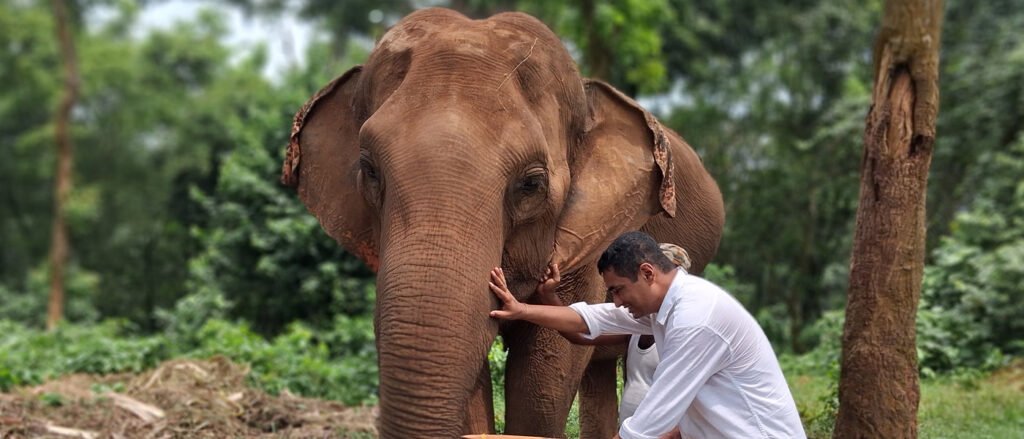
For the last 10 years, Ranjan Kumar Medhi has been supporting elephant owners across Assam by providing emergency fodder, health check-ups, veterinary treatment, and continuous care for these magnificent animals.
His team works tirelessly to ensure that elephants receive nutritious food, timely medical attention, and the dignity they deserve throughout the year.
Every Elephant Needs Ongoing Food And Medical Care
Caring for an elephant is a lifelong responsibility. Daily fodder, nutritional supplements, medicines, deworming, foot care, and regular veterinary treatment are essential to keep them healthy.
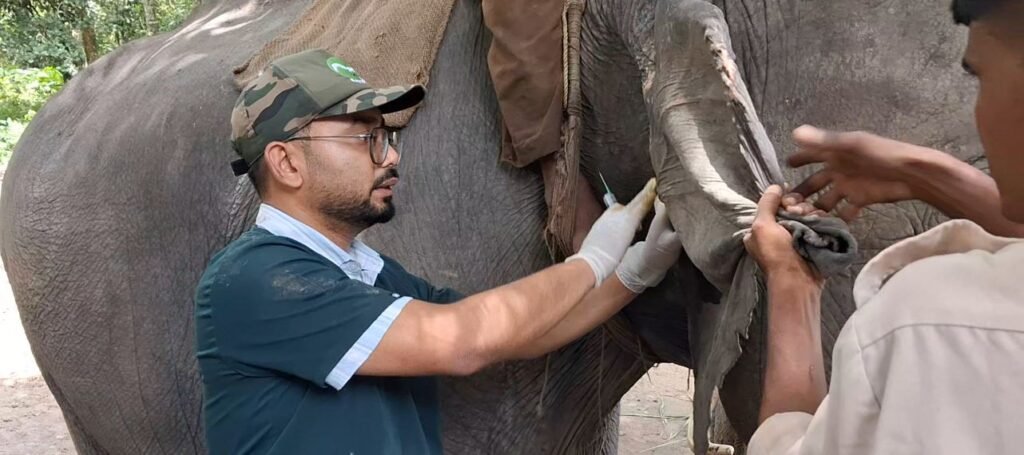
Without community support, many of these elephants face hunger and declining health.
Mission “Coexistence Corridors”
Continuing Efforts to Protect Communities and Elephants in the Riverine Corridors of Dudhnoi and Matia
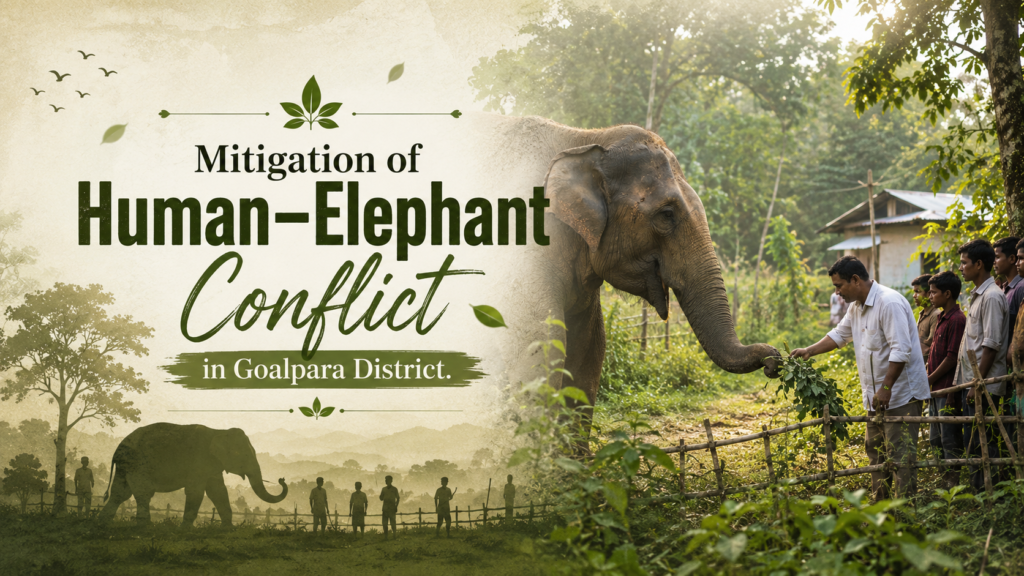
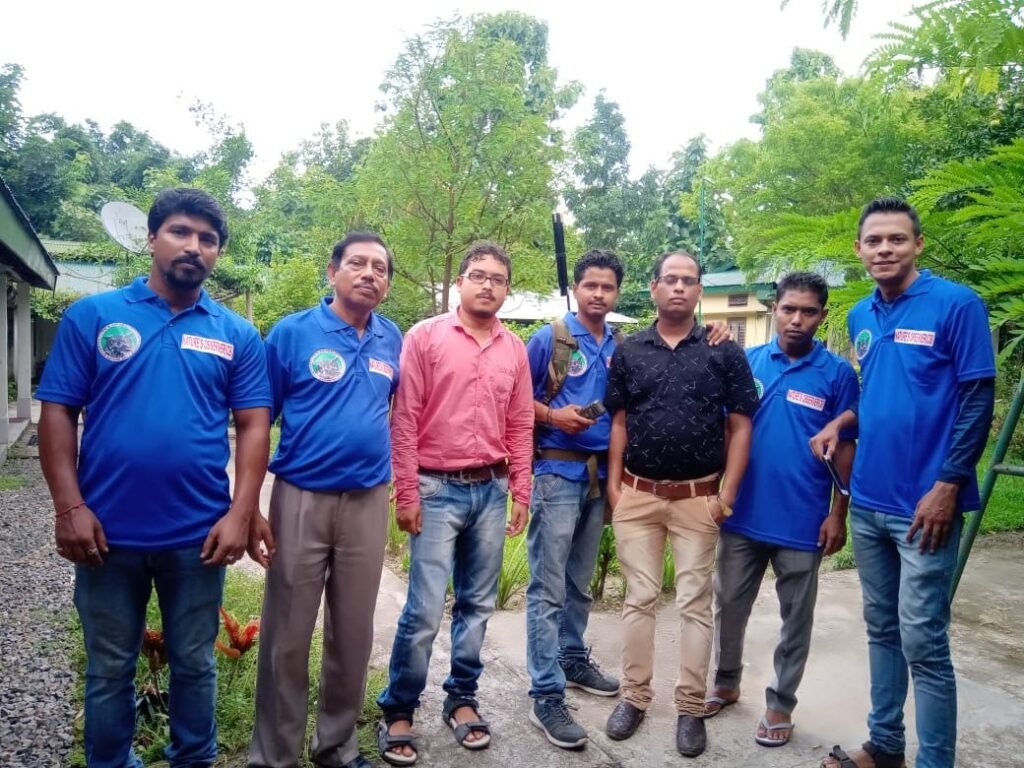
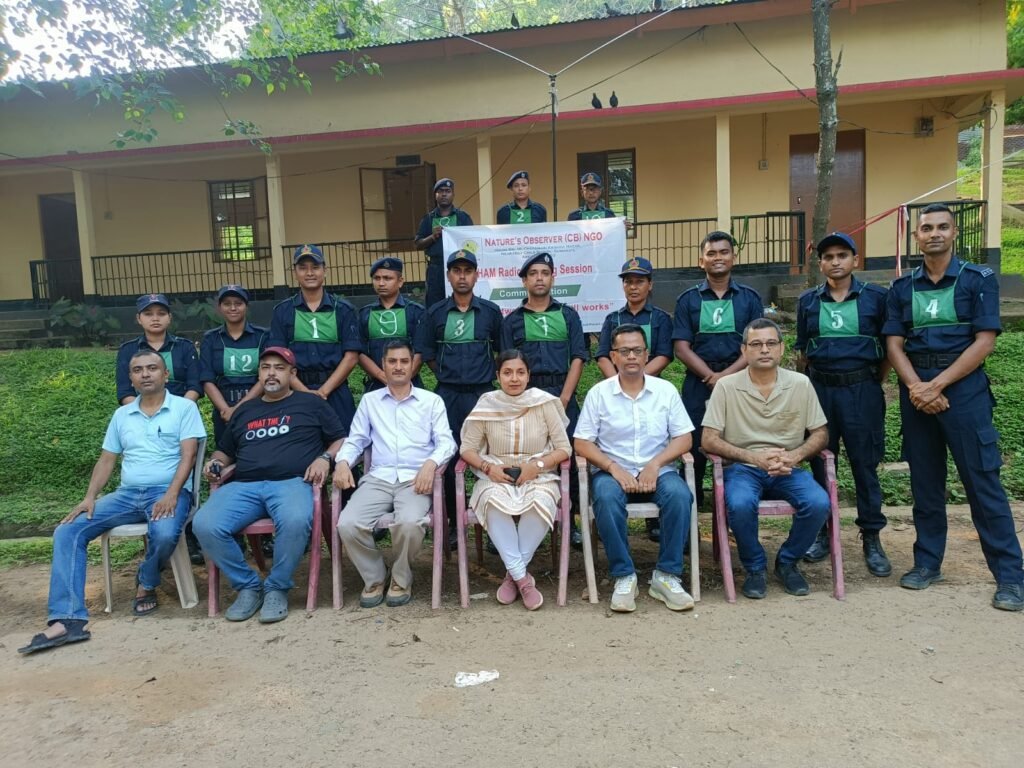
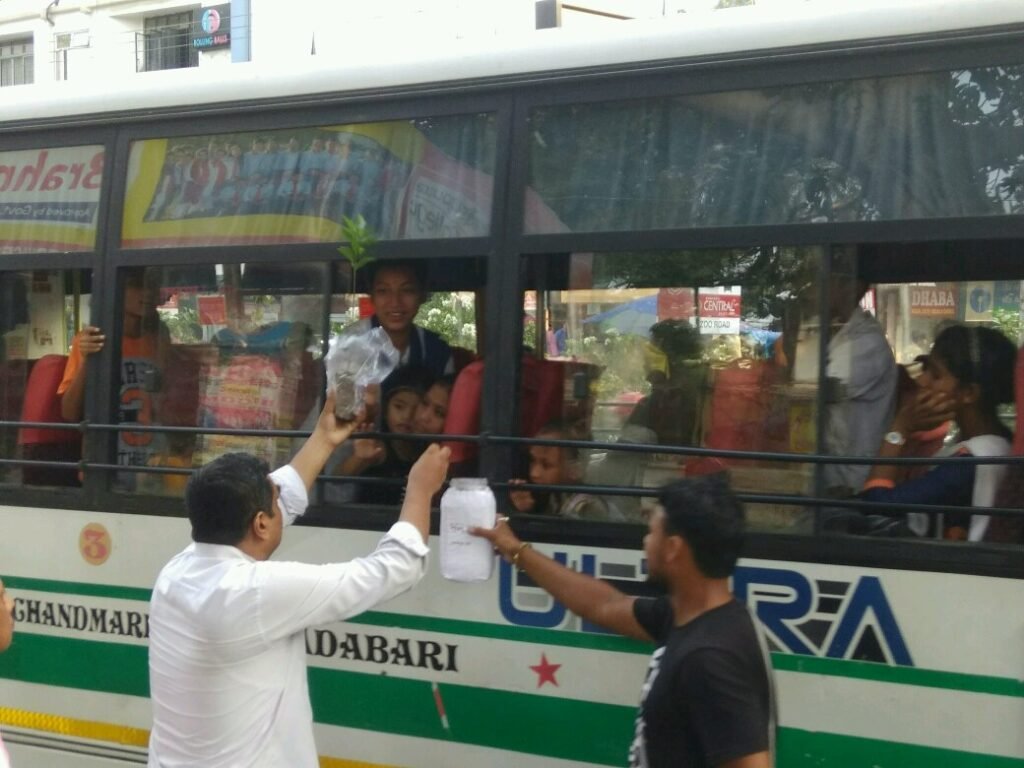
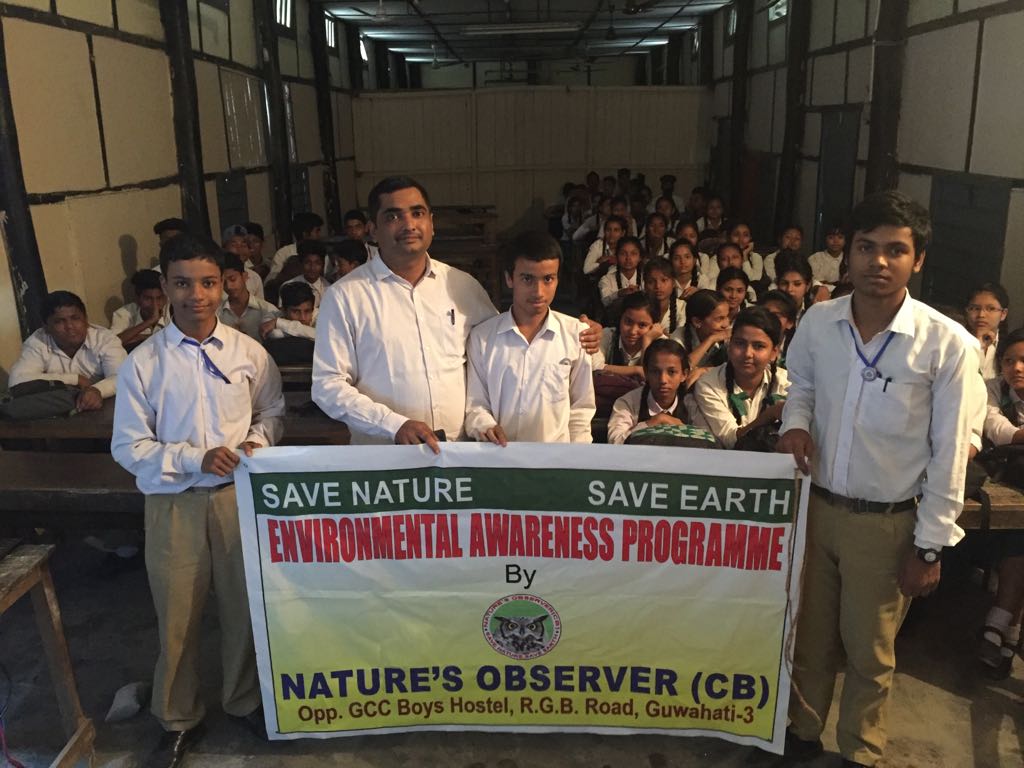
For the last five years, Nature’s Observer (CB) has been working continuously to reduce human–elephant conflict while restoring and protecting the vital elephant corridors of the riverine landscapes of Dudhnoi and Matia in Goalpara District, Assam. Through close collaboration with local communities, traditional knowledge holders, the Forest Department, and conservation partners, the initiative has made significant progress in promoting peaceful coexistence between people and elephants.
The natural movement routes connecting the Jinjiram and Krishnai river landscapes have gradually been affected by habitat fragmentation, changing land use, and ecological degradation. These changes have increased encounters between elephants and nearby villages, resulting in crop loss, property damage, and risks to both human and elephant lives.
Recognizing these challenges, Nature’s Observer (CB) launched Mission “Coexistence Corridors” to develop long-term, community-based solutions. By combining scientific research, GPS and GIS-based corridor mapping, habitat restoration, and traditional ecological knowledge, the programme has helped communities become active partners in conservation rather than passive victims of conflict.
Over the past five years, the initiative has demonstrated encouraging results. Villagers are now better prepared to respond safely to elephant movement, local volunteers actively assist in monitoring and awareness activities, and cooperation between communities and government agencies has grown considerably. Several degraded corridor areas have been restored through community participation, while continuous awareness programmes have improved understanding of elephant behaviour and reduced unnecessary confrontations.
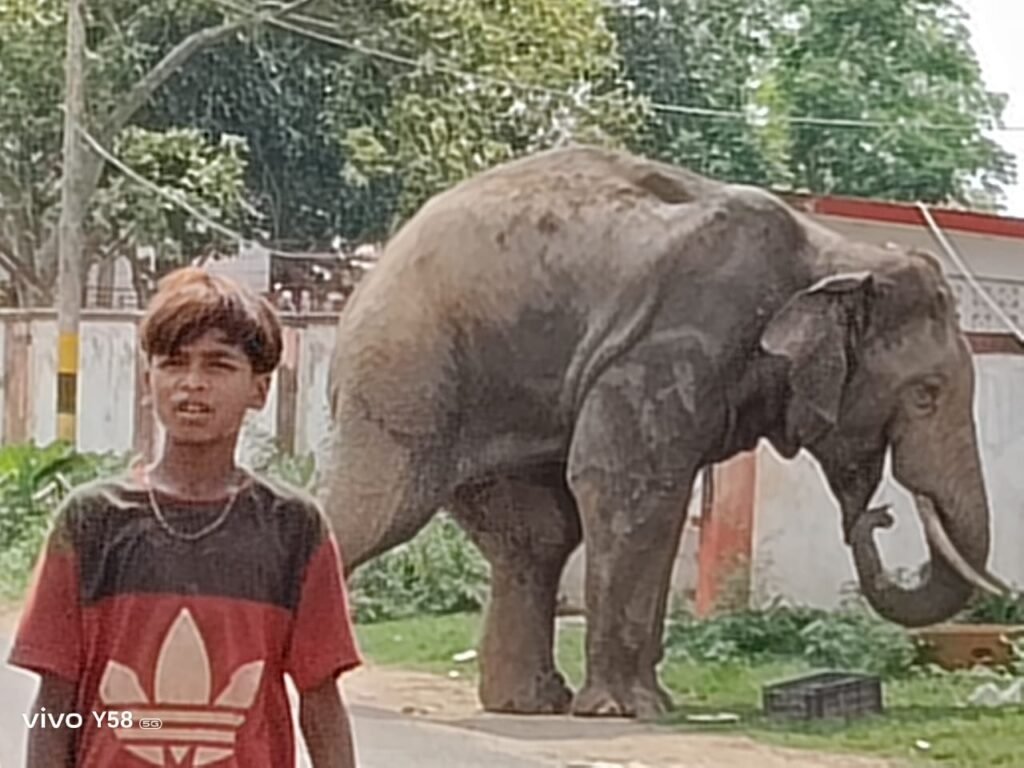
Today, Mission “Coexistence Corridors” stands as a successful example of community-led conservation—showing that when people, science, and nature work together, both human livelihoods and wildlife can thrive. The programme continues to strengthen ecological connectivity while building resilient communities committed to protecting Assam’s rich natural heritage for future generations.
Our Mission
Our mission is to create a sustainable model of human–elephant coexistence by protecting elephant corridors, restoring degraded habitats, and empowering local communities to become leaders in conservation. Through science, education, and community participation, we strive to ensure that both people and elephants can safely share the same landscape.

We aim to:
- Map and understand elephant movement using scientific tools and traditional knowledge.
- Reduce human–elephant conflict through awareness, preparedness, and early-warning systems.
- Restore degraded wildlife corridors with native vegetation.
- Strengthen partnerships among communities, Forest Department, researchers, and conservation organisations.
- Promote long-term coexistence through sustainable, community-driven conservation practices.
Mission “Coexistence Corridors”
Continuing Efforts to Protect Communities and Elephants Around Nameri National Park and Sonai-Rupai Wildlife Sanctuary in Sonitpur District, Assam.
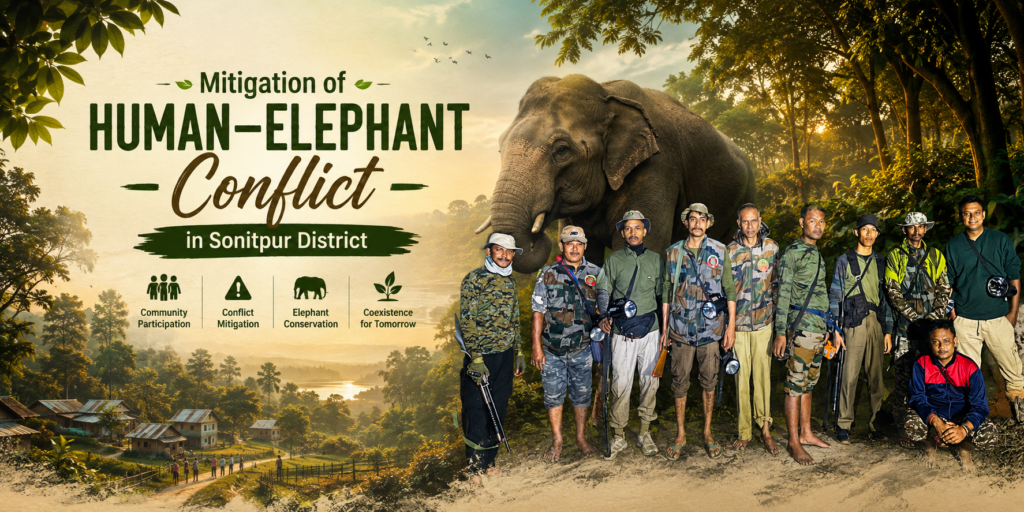
Duration: February 2025 – Ongoing
Implementing Organisation: Nature’s Observer (CB)
- Introduction
Nature’s Observer (CB) has taken up a critical conservation mission in Sonitpur District by actively working to reduce Human–Elephant Conflict (HEC). With frequent elephant movement through agricultural fields and human settlements, the region continues to face risks to both people and wildlife.
Our initiative focuses on community awareness, rapid field response, stakeholder coordination, and safety support.
- Major Interventions
Step 1: Community Awareness Programmes
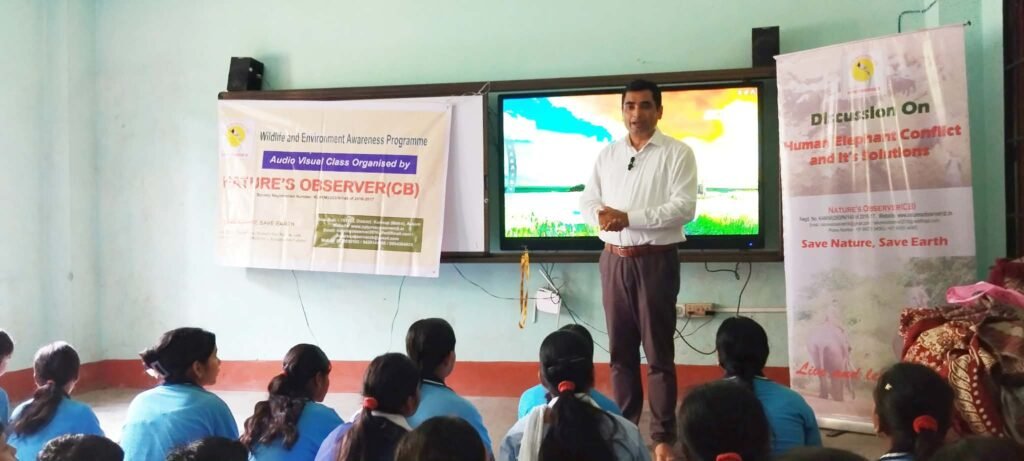
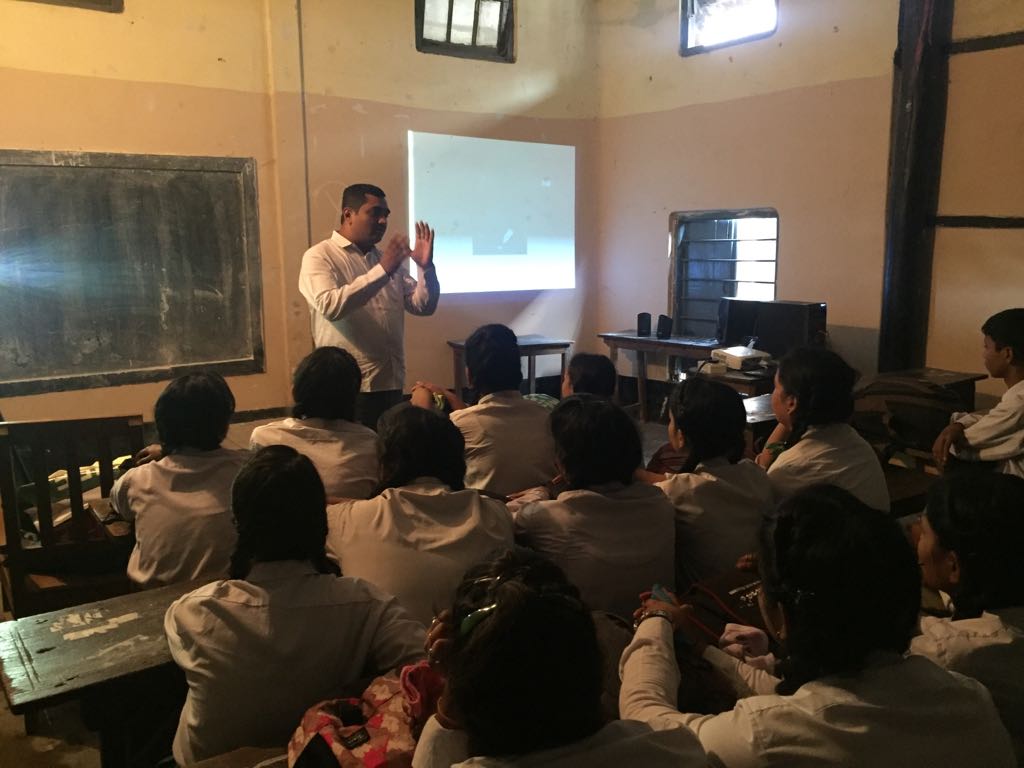
Conducted regularly in conflict-prone villages.
Activities included:
- Awareness on elephant behaviour and movement
- Training villagers on safe practices and early-warning methods
- Encouraging community participation in HEC mitigation
Outcome: Improved preparedness and reduced panic during elephant movement.
Step 2: Field-Level Conflict Management
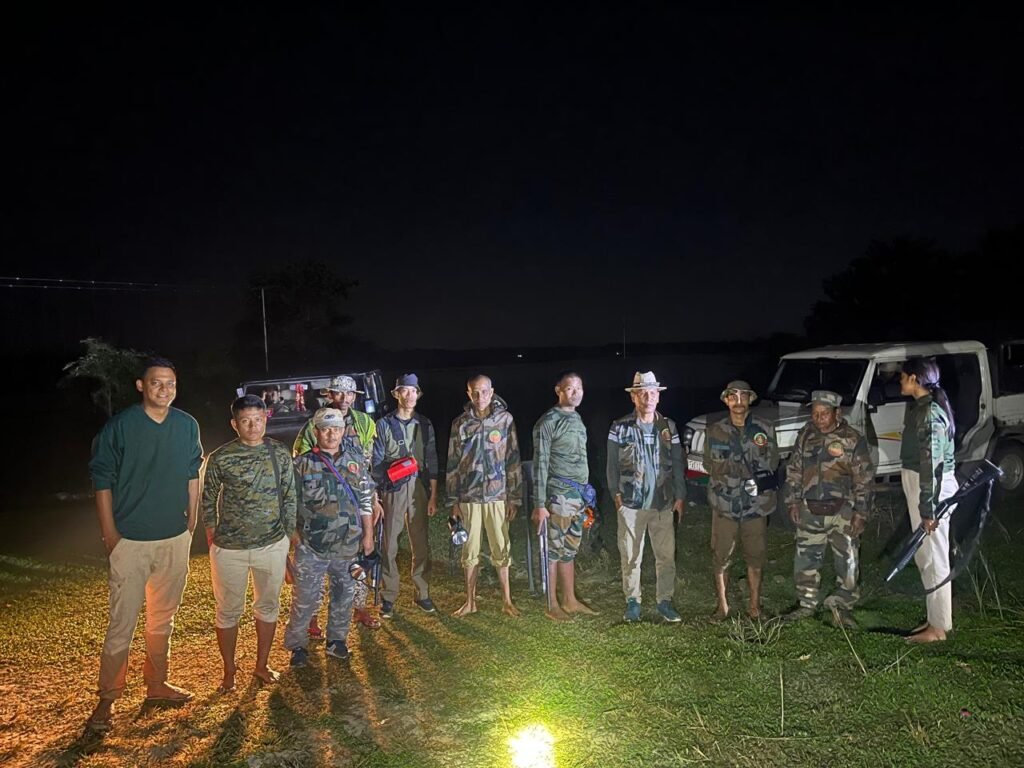
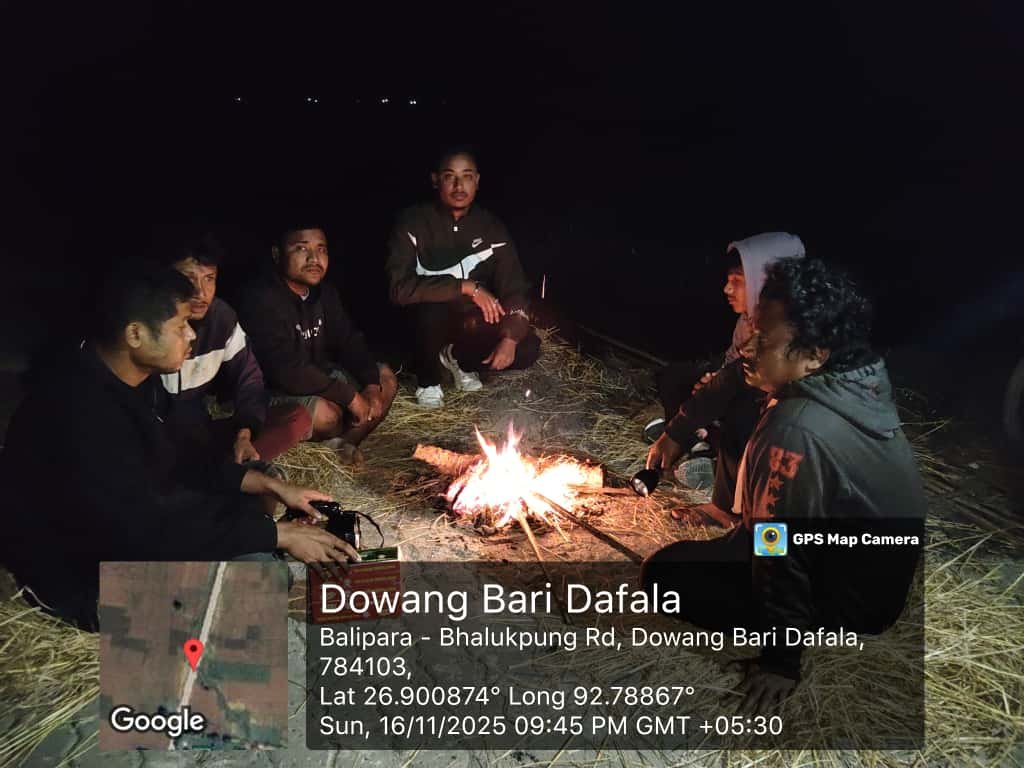
Teams of volunteers worked day and night to safeguard villages.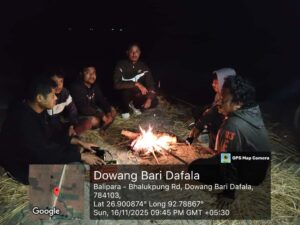
Key actions:
- Preventing elephant entry into crop fields and human settlements
- Safe use of sound-based deterrents (crackers)
- Distribution of high-power torchlights for night patrolling
- Strengthened local monitoring system to track movement patterns
- Regular midnight patrolling as a preventive measure
Outcome: Reduced crop loss and prevented escalation of conflict.
Step 3: Joint Monitoring with Forest Department

Volunteers coordinated with Forest Department teams to:
- Track elephant herds
- Guide them safely back to forested areas
- Reduce risk to both elephants and villagers
Outcome: Improved cooperation and timely response during high-risk situations.
Step 4: Stakeholder Meetings & Consultations
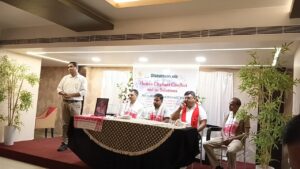
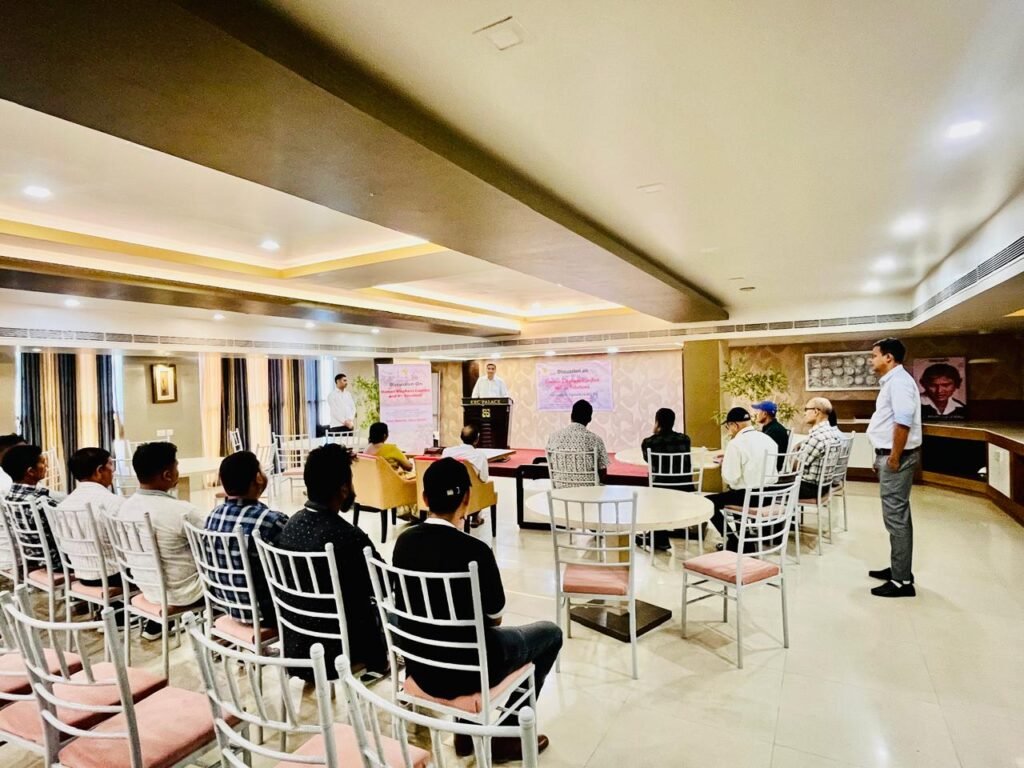
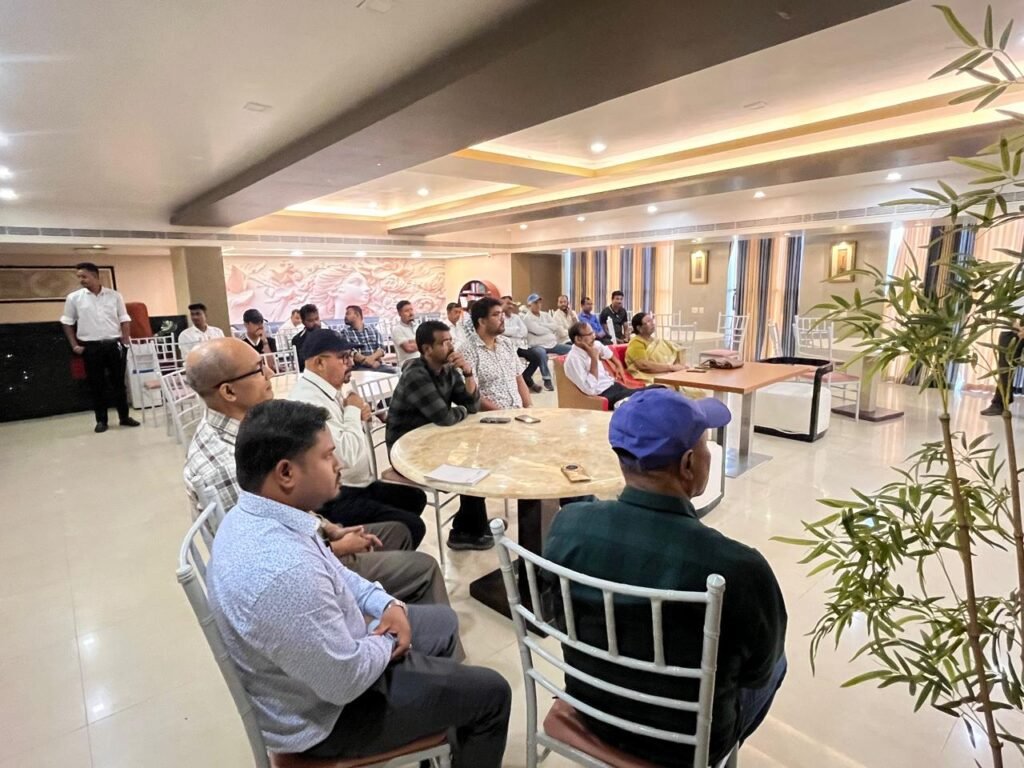
Meeting 1 — 27th September 2025 (KCR Palace, Tezpur)
Participants:
- Local communities
- Forest officials
- Nature’s Observer (CB) volunteers
Main Discussion Points: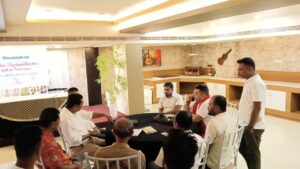
- Reducing conflict intensity
- Strengthening joint community–forest department coordination
Meeting 2 — 8th November 2025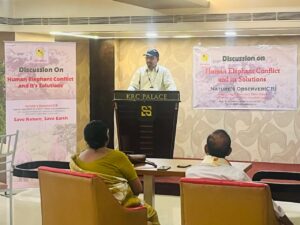
Participants:
- Director, Orang National Park
- DCF, ACF, RFO
- WWF team
- Gaon Pradhans
- Local community members & volunteers
Key Topics:
- Long-term solutions for HEC
- Improving rapid response mechanisms
- Equipment support for volunteer teams
- Enhancing coordination between all stakeholders
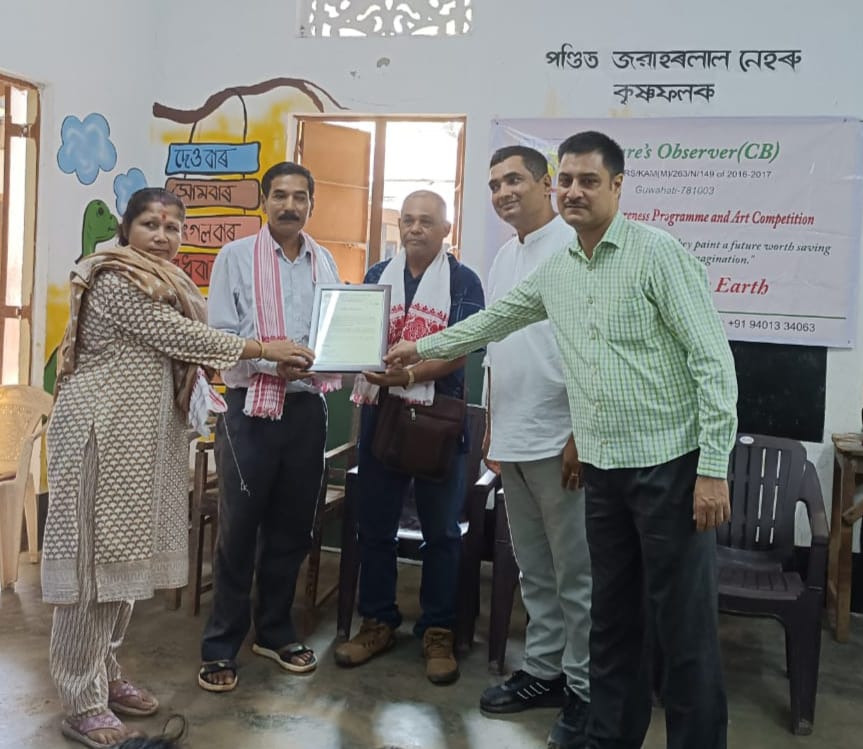
Felicitation: Forest staff and conservation activists were honoured for their consistent dedication.
Step 5: Resource Support Provided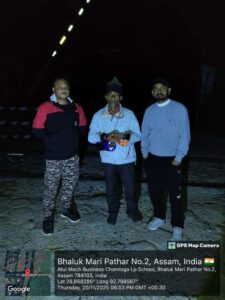
To ensure safe and efficient field operations, we provided:
- Crackers for emergency herd diversion
- High-power torchlights
- Safety training for volunteers
Outcome: Better-equipped teams and safer conflict management.
Step 6: Online & Field Consultations
Regular discussions were held with:
- Wildlife experts
- Field volunteers
- Forest authorities
- Local villagers
Purpose:
To refine strategies based on real-time conditions and improve conflict mitigation methods.
- Impact of the Initiative
This ongoing initiative plays a crucial role in encouraging coexistence, reducing risks, and creating mutual understanding between people and elephants in Sonitpur District. With continued community support and inter-agency cooperation, the region is moving toward safer and more sustainable solutions.